
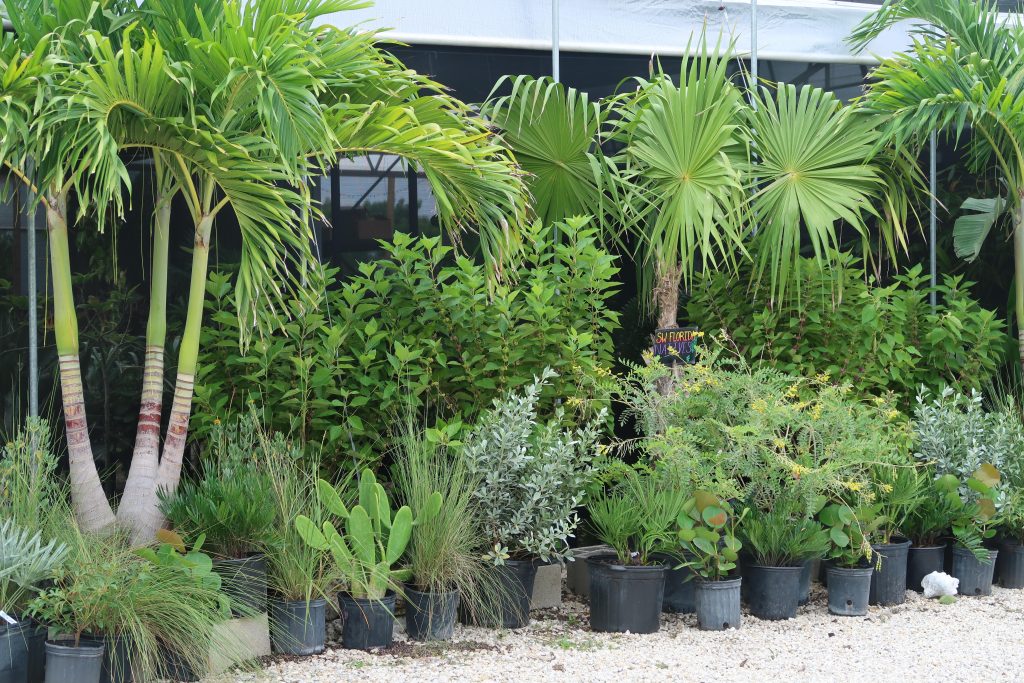
Florida Native Plants: A Fresh Approach to Fall Landscaping in Southwest Florida
October is a useful time to take a fresh look at your Southwest Florida landscape. Maybe a planting bed needs more variety, a shrub has outgrown its space, or you are ready to improve an area that has never quite come together.
Florida native plants are worth including in that conversation.
Native landscaping offers options beyond a single style or plant type. From groundcovers and flowering plants to shrubs, palms, and trees, there are many ways to introduce native plants into an existing landscape.
A visit to the nursery can help turn those possibilities into a practical plan. Seeing plants in person allows you to compare their foliage, form, and size while discussing which selections fit your property.
Why Consider Florida Native Plants?
Florida native plants can bring a recognizable sense of place to a landscape. They offer different textures, growth habits, flowers, and fruit that can make a planting bed more interesting throughout the year.
Some also provide food or habitat for wildlife. UF/IFAS Gardening Solutions identifies a wide range of native choices, including groundcovers, shrubs, trees, and palms.
However, native status is only one part of plant selection. Each species has its own needs, and the right choice depends on the actual conditions where it will grow.
The goal is to select plants that suit the space, support your design, and work with the level of maintenance you want.
Use Fall to Review What Your Landscape Needs
Before choosing new plants, walk through your property and decide what you want to improve.
Does the front bed need a more consistent appearance? Would you like flowers near an outdoor seating area? Is a large shrub creating repeated trimming work? Does a side yard need a clearer planting arrangement?
These questions help narrow the search.
Take photographs of the entire area, including surrounding trees, pavement, buildings, and existing plants. A close-up of an empty spot rarely shows enough information to make a useful recommendation.
October can serve as a planning window for these improvements. Installation timing should still account for the selected plants, weather, and the establishment care available after planting.
Match the Plant to the Actual Location
A sunny front entrance, shaded courtyard, and exposed coastal bed can require very different selections.
The Florida-Friendly Landscaping principle of “Right Plant, Right Place” emphasizes matching plants to sunlight, water availability, and mature size.
Before visiting the nursery, note how much direct sun the area receives. Check whether water collects after rain and whether irrigation reaches the bed. For coastal properties, describe the location’s exposure to salt spray.
Native plants are not interchangeable. A species that works in a protected inland garden may be unsuitable for a beachfront planting.
Sharing those details helps the nursery team recommend plants for your conditions rather than simply pointing you toward something attractive on the display.
Think Beyond Flowers
Flowers are often the first thing shoppers notice, but foliage and plant form matter just as much.
Consider how a plant will contribute when it is not flowering. Will it provide a consistent green backdrop? Introduce a different leaf shape? Add height behind a lower planting? Help define the edge of a bed?
A useful design combines these roles instead of relying on every plant to provide color at the same time.
For a residential property, this might mean choosing a few complementary plants around the front entrance. For a community, it could involve repeating a simple arrangement in selected beds to create continuity.
Start with the appearance you want to achieve, then discuss which native selections can help accomplish it.
Give Plants Room to Grow
Nursery plants can look small compared with the space they will eventually occupy.
Before purchasing, ask about mature height and width. Review the proposed placement beside sidewalks, windows, signs, driveways, and neighboring plants.
UF/IFAS advises allowing for mature size and avoiding overcrowding. That planning can reduce future conflicts and unnecessary pruning.
It is understandable to want a bed to look full immediately. However, purchasing extra plants to fill every gap can create work later as the planting grows.
Ask what the bed should look like on installation day and how it is expected to develop. A clear layout helps establish realistic expectations.
Start With One Manageable Improvement
You do not need to redesign the entire property to begin using native plants.
A single bed can provide a useful starting point. Choose an area with a clear purpose, define the scope, and work through the plant selection and layout before expanding elsewhere.
For a homeowner, that might be a garden viewed from the lanai. For an HOA, it could be one clubhouse bed or a selected area along a walking route.
A focused project makes it easier to evaluate the finished appearance and coordinate ongoing care.
Through landscape enhancement planning, individual improvements can also be considered within a longer-term plan for the property.
What to Bring When Visiting the Nursery
A little preparation can make a nursery visit more productive.
Bring photographs, approximate bed measurements, and notes about sunlight and irrigation. Explain whether you are replacing existing plants or starting with an open area.
Also describe your priorities. You might want a more natural appearance, seasonal interest, a clearer view from a window, or plants that can maintain their intended form with less trimming.
Ask about mature size, spacing, establishment care, and suitability for the location.
Plant availability changes, so review the current selection before finalizing your plan. Confirm botanical names when native status is important to the project.
Plan for Care After Installation
New plants need attention while they establish. The care plan should identify who will monitor them, how watering will be managed, and when concerns should be reported.
Coordinate the new planting with your landscape maintenance team. Make sure crews know which plants have been added and how the design is intended to develop.
Native planting can support a thoughtful landscape, but it still requires appropriate installation and maintenance.
Explore Native Plants at Sanibel Nursery
If you are considering a landscape improvement this fall, visit Sanibel Nursery to explore the current native plant selection and discuss options for your property.
For help connecting plant choices with a complete planting plan, Island Home Service Landscaping provides landscape design and enhancement services throughout Southwest Florida.
Request a complimentary property assessment to discuss your goals and identify improvements that fit your landscape.