
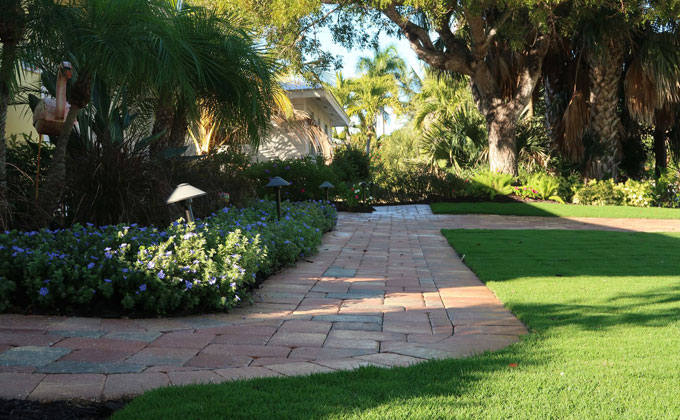
Sod Installation in Southwest Florida: When Is the Best Time to Replace Your Lawn?
A healthy, green lawn can make a noticeable difference in the appearance of a home, condominium community, or commercial property.
But when grass becomes thin, patchy, or difficult to maintain, property owners often face an important question: Should you repair the existing lawn or replace it with new sod?
In Southwest Florida, successful sod installation depends on more than choosing the right grass variety.
Timing, soil preparation, irrigation, and understanding why the original lawn struggled all play important roles.
Here’s what homeowners, property managers, and HOA boards in Naples, Fort Myers, Bonita Springs, and surrounding communities should know before planning a lawn replacement.
When Is the Best Time to Install Sod in Southwest Florida?
Unlike many parts of the country, Southwest Florida’s warm climate allows sod installation throughout much of the year.
However, certain seasons may provide more favorable establishment conditions.
According to the University of Florida’s Institute of Food and Agricultural Sciences (UF/IFAS), late fall, winter, and spring can be favorable periods for establishing St. Augustine grass in South Florida, provided temperatures and moisture conditions are suitable.
October is a practical time to begin evaluating lawn replacement projects as properties transition away from the peak summer growing season.
The ideal installation date should still account for grass variety, weather conditions, irrigation availability, and expected rooting conditions.
How Do You Know When Your Lawn Needs Replacement?
Not every damaged lawn requires complete replacement.
Before investing in new sod, it’s important to understand what caused the existing grass to decline.
Common signs that replacement may be worth considering include:
- Large areas of dead or missing turf
- Significant weed intrusion
- Repeated decline despite corrective maintenance
- Severe damage from construction or equipment
- Areas where the existing grass variety is poorly suited to the site
- Persistent problems caused by poor drainage or inadequate irrigation coverage
Some lawns can recover through targeted treatment and improved maintenance.
Others may benefit from partial or complete sod replacement.
A professional property evaluation can help determine which approach makes the most sense.
What Type of Sod Works Best in Southwest Florida?
Several warm-season grass varieties are commonly used throughout Lee and Collier counties.
Choosing the appropriate variety depends on the property’s sunlight, irrigation, soil conditions, maintenance expectations, and intended use.
St. Augustine Grass
St. Augustine grass is one of the most recognizable turf varieties in Southwest Florida.
Its broad blades and dense appearance make it popular for residential lawns, community entrances, and landscaped common areas.
Different cultivars offer different tolerances for shade and other growing conditions.
St. Augustine grass requires appropriate mowing, irrigation, fertilization, and pest management to remain healthy.
Zoysia Grass
Zoysia is another option for property owners seeking a dense, uniform lawn.
Depending on the cultivar, it can offer good wear tolerance and attractive turf coverage.
However, Zoysia has specific maintenance requirements and may experience thatch accumulation or other challenges when not properly managed.
Bahia Grass
Bahia is commonly used in larger open areas and locations where a more utility-oriented lawn is appropriate.
Once established, it generally offers good drought tolerance and can be suitable for less intensively maintained landscapes.
The right choice depends on the property’s appearance expectations and long-term maintenance needs.
Why Soil Preparation Matters Before Sod Installation
One of the most important steps in sod installation happens before the new grass arrives.
Simply placing fresh sod over unhealthy or poorly prepared ground can lead to disappointing results.
Proper preparation may include removing failed turf, controlling weeds, correcting grading issues, and addressing drainage concerns.
The soil surface should provide good contact with the new sod’s root system.
If the previous lawn failed because of irrigation problems, excessive shade, or other site conditions, those issues should be addressed before installation whenever possible.
Otherwise, the new lawn may develop similar problems.
How Important Is Irrigation After Sod Installation?
New sod requires consistent moisture while roots establish.
Unlike an established lawn, newly installed sod cannot immediately draw moisture from deeper soil layers.
UF/IFAS recommends frequent, brief irrigation during the initial establishment period, followed by a gradual reduction in watering frequency as roots develop.
Actual watering requirements depend on weather, soil conditions, grass variety, and applicable watering restrictions.
Too little water can cause sod to dry out before rooting properly.
Excessive watering can contribute to saturated soil and other problems.
Checking irrigation coverage before installation is an important part of planning a successful project.
How Long Does New Sod Take to Establish?
Under favorable growing conditions, new sod may become substantially established within approximately three to four weeks.
However, establishment time varies depending on the season, grass variety, soil preparation, and maintenance.
During this period, foot traffic and equipment activity may need to be limited.
Mowing should begin once the sod has rooted sufficiently and can tolerate normal maintenance without shifting or damage.
A proper establishment plan helps protect the investment and supports long-term lawn performance.
Is Partial Sod Replacement Worth Considering?
Absolutely.
If only certain sections of a property have declined, replacing the entire lawn may not be necessary.
Targeted sod replacement can be useful around entrances, sidewalks, high-visibility areas, or sections affected by construction.
For larger communities, phased replacement can also help manage project budgets while improving the property’s overall appearance.
The key is identifying the underlying cause of turf failure before determining the appropriate scope.
Professional Sod Installation in Naples, Fort Myers, and Bonita Springs
At Island Home Service Landscaping, we help homeowners, property managers, and community associations throughout Southwest Florida with sod installation, landscape improvements, irrigation evaluations, and ongoing property maintenance.
Our approach focuses on selecting appropriate materials, preparing the installation area, and supporting healthy establishment.
Whether you’re considering a small turf replacement or a larger community-wide project, we’re happy to evaluate the property and discuss the available options.
Planning a sod installation or lawn replacement? Contact Island Home Service Landscaping to schedule a complimentary property assessment.