
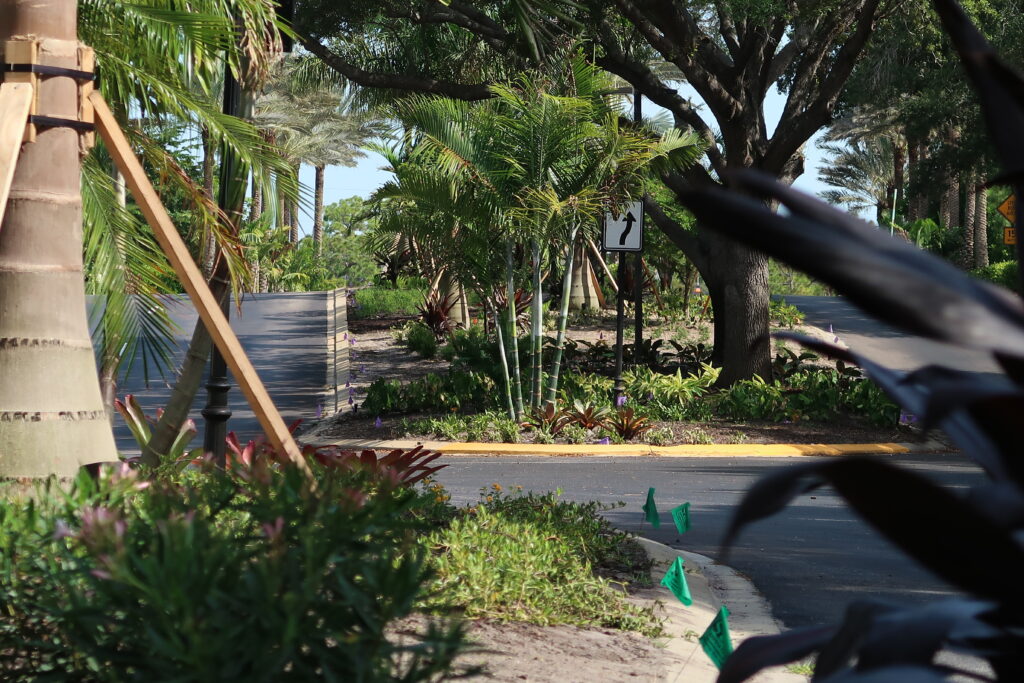
How Much Does a Landscape Renovation Cost in Southwest Florida?
Whether you’re refreshing the entrance to a residential community, replacing aging plants around your home, or planning a larger property improvement, one of the first questions is usually: How much will a landscape renovation cost?
Throughout Naples, Bonita Springs, Fort Myers, Sanibel, and surrounding Southwest Florida communities, landscape renovation costs can vary significantly depending on the size of the property, existing conditions, plant selections, and scope of work.
The good news is that improving a landscape doesn’t always require starting from scratch.
Understanding what influences project costs can help homeowners, HOA boards, and property managers make better decisions about where to invest.
What Determines the Cost of a Landscape Renovation?
Every property has different needs, but several factors consistently influence landscape renovation pricing.
1. Property Size and Project Scope
A small entrance bed renovation will generally require fewer materials and less labor than a complete property-wide landscape redesign.
Some projects involve replacing a handful of declining shrubs, while others include removing existing plant material, redesigning planting beds, installing trees, and modifying irrigation.
For HOA communities and commercial properties, the scope may include multiple entrances, common areas, monument signs, and landscaped roadways.
Defining the areas that need attention is an important first step toward developing a realistic budget.
2. Plant Selection and Material Sizes
The type, quantity, and size of plant material can significantly influence installation costs.
Larger palms and specimen trees generally require more labor and equipment than smaller shrubs or groundcovers.
Mature plants can create an immediate visual impact, but smaller material may provide a more economical alternative when time allows for growth.
A well-planned landscape often combines different plant sizes to create depth and visual interest without requiring oversized material throughout the property.
3. Removal of Existing Landscaping
Before new plants can be installed, the existing landscape may need to be cleared or modified.
This can include removing declining shrubs, overgrown hedges, damaged trees, unwanted roots, or old landscape materials.
Disposal, site access, and soil preparation can all affect the final project cost.
Evaluating which existing plants can remain healthy and attractive is one way to avoid unnecessary removal expenses.
4. Irrigation Adjustments
Irrigation is an important consideration during any landscape renovation in Southwest Florida.
When planting beds are redesigned, the existing irrigation system may no longer provide appropriate coverage.
New plant material can have different watering requirements than the landscaping it replaces.
Adjusting sprinkler heads, drip irrigation, or zone coverage may be necessary to support healthy establishment.
Addressing irrigation during the renovation process can help reduce plant stress and avoid additional work after installation.
5. Mulch, Rock, Sod, and Finishing Materials
Finishing materials help bring a landscape renovation together.
Fresh mulch can improve the appearance of planting beds, while decorative rock, edging, and sod can provide a clean transition between different areas.
The type and quantity of materials selected will affect the overall budget.
For larger communities, even small changes in material selection can have a meaningful impact on total project costs.
Is It Better to Renovate Everything at Once?
Not necessarily.
For many Southwest Florida properties, a phased landscape renovation can be a practical approach.
Instead of replacing every planting bed at once, property owners may choose to prioritize the most visible or problematic areas.
For example, an HOA might begin with:
- Main entrance and monument landscaping
- High-visibility common areas
- Overgrown or declining foundation plantings
- Roadway medians and community gathering areas
- Additional landscape improvements in later phases
This approach allows communities to improve their appearance while distributing expenses across multiple budget periods.
A coordinated design plan helps ensure that individual phases eventually create a consistent overall appearance.
How Can You Improve a Landscape Without Overspending?
One of the most effective ways to manage renovation costs is to focus on improvements that provide the greatest visual impact.
Preserve Healthy Existing Plants
Established trees, palms, and shrubs can be valuable landscape assets.
When they are healthy and appropriately located, retaining them may reduce installation costs and preserve mature character.
Choose Plants Suited to the Property
Southwest Florida landscapes experience intense sunlight, seasonal rainfall, sandy soils, and, in coastal areas, salt exposure.
Selecting plants that are appropriate for these conditions can help reduce future maintenance challenges.
The University of Florida’s Florida-Friendly Landscaping principles emphasize choosing the right plant for the right place.
Focus on High-Visibility Areas
Community entrances, building approaches, monument signs, and front-facing planting beds are often the first areas visitors notice.
Thoughtful improvements in these locations can make a substantial difference without requiring a complete landscape replacement.
Consider Long-Term Maintenance
Installation costs are only one part of the investment.
Plant growth habits, pruning requirements, irrigation needs, and long-term maintenance should all be considered during the design process.
A landscape that looks attractive on installation day should also be practical to maintain as it matures.
What Should an HOA Consider Before Starting a Landscape Renovation?
For community association managers and HOA boards, landscape improvements involve more than selecting attractive plants.
A successful project should begin with a clear understanding of the property’s existing conditions, budget, and long-term objectives.
Important considerations include the community’s architectural standards, visibility at entrances and intersections, irrigation infrastructure, and ongoing maintenance requirements.
A professional property walkthrough can help identify which areas would benefit most from improvements and whether certain projects should be completed together.
For larger communities, an itemized proposal and phased improvement plan can also make it easier for board members to evaluate the investment.
Does Landscape Renovation Increase Property Appeal?
A thoughtfully maintained landscape contributes to a property’s overall presentation.
Healthy plant material, defined planting beds, balanced design, and clean entrances can help create a more welcoming appearance.
For residential communities, landscape improvements can also support a consistent visual identity throughout common areas.
While a renovation should not be assumed to produce a specific increase in property value, it can address visible deficiencies and improve how a property is perceived.
Landscape Renovation Services in Southwest Florida
At Island Home Service Landscaping, we work with homeowners, HOA communities, property managers, and commercial properties throughout Naples, Bonita Springs, Estero, Fort Myers, Sanibel, Captiva, and surrounding Southwest Florida communities.
From targeted planting bed improvements to larger landscape renovation projects, our team focuses on practical designs, appropriate plant selection, and long-term property appearance.
Whether you’re looking to refresh a community entrance or plan improvements across an entire property, we’re happy to walk the grounds and discuss the available options.
Considering a landscape renovation? Contact Island Home Service Landscaping to schedule a complimentary property assessment and explore what makes sense for your property.