
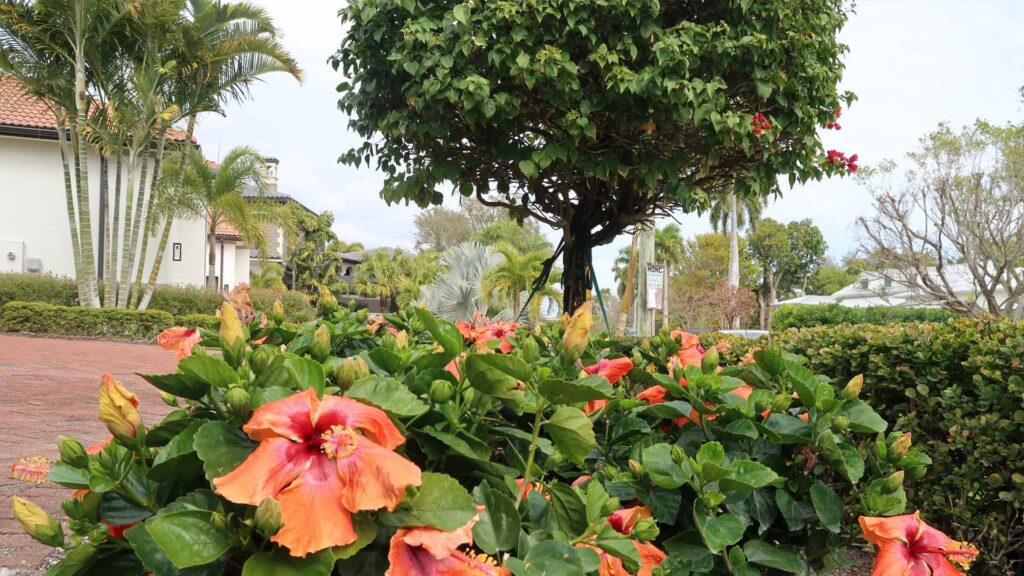
Fall Flowers in Southwest Florida: Planning Seasonal Color for Entrances and Community Beds
October is a good time to plan fall flowers in Southwest Florida, especially around community entrances, clubhouses, resort arrival areas, and residential walkways. A fresh flower bed can make these spaces feel cared for as residents and visitors spend more time outdoors.
But a flower installation should begin with more than a color choice. The timing, exposure, condition of the bed, and follow-up care all influence how the display performs. A planting that looks impressive on installation day still needs to work through the weeks that follow.
For property managers and homeowners, the best starting point is a small, practical plan: where color will have the greatest effect, which plants suit those locations, and who will maintain them after installation.
Planning Fall Flower Installations in October
Southwest Florida does not follow the same fall planting pattern as cooler parts of the country. October can still bring warm afternoons, and conditions vary from one property to another.
The UF/IFAS South Florida Gardening Calendar identifies October as a time to begin planting for cooler months and lists impatiens, alyssum, and dianthus as possible fall and winter choices. That guidance provides a seasonal starting point; the final selection still needs to match the site.
Plan around plant readiness, weather, and the property’s schedule. If an entrance needs to look its best for a November event, discuss installation early enough to allow preparation and follow-up visits.
Start With the Places People Actually See
A property does not need flowers in every bed to create a strong seasonal impression. Often, a few carefully selected locations deserve most of the attention.
Walk the arrival route as a visitor would. Look at the approach from the road, the view through the entrance, the walkway to the office, and the area where guests wait or gather. These perspectives can reveal opportunities that are easy to miss while reviewing a plan from above.
For an HOA, a concentrated display near the entrance sign may be more useful than small patches scattered throughout the community. At a resort, the arrival walkway might deserve priority over a bed that guests rarely pass. At a home, the front door and lanai approach may offer the best places for color.
Choose the focal areas first. Then determine the planting quantity and budget.
Match Flower Choices to Each Bed
Two beds on the same property can need different plants. One might receive afternoon sun beside reflective pavement, while another sits beneath an overhang for much of the day.
Before approving a selection, review sunlight, drainage, irrigation access, available planting depth, and exposure to coastal conditions. Include the mature height and spread of each proposed plant in the discussion.
A flower that suits a protected inland bed should not automatically be specified for an exposed beachfront entrance. Likewise, a plant selected for one light condition should not be repeated throughout the property simply to keep the order uniform.
Ask for a short explanation of why the proposed flowers suit each location. This makes the plan easier to evaluate and gives the maintenance team a clearer basis for ongoing care.
Keep the Design Readable From the Arrival Route
For community entrances, a simple color arrangement is often easier to read than a collection of many different flowers. Choose a main color, an optional supporting color, and a layout that works with the existing sign and surrounding landscape.
Consider how the bed will look from a moving vehicle as well as from the sidewalk. Small details that look attractive up close may disappear from the road. Repeated groups can give the display a more consistent appearance.
Avoid using flowers to cover every inch of an awkward bed. If the area is too narrow, the sign is crowded, or the surrounding shrubs dominate the view, the planting layout may need adjustment before seasonal color is added.
This is where landscape enhancement planning can help connect the flower installation with the rest of the entrance.
Prepare the Bed Before Installing the Flowers
Bed preparation should appear in the scope of work. Agree on what will be removed, how weeds will be addressed, and whether the existing planting area needs correction before new flowers arrive.
If previous installations have struggled in the same spot, pause and investigate. Replacing plants repeatedly without reviewing the location can turn a seasonal display into an ongoing expense.
Also coordinate the order of work. Finish nearby shrub trimming and other disruptive tasks before planting. Confirm access for deliveries and keep bags, carts, and debris away from the finished display.
Photographs taken before and after preparation can be useful for a property manager who cannot be onsite throughout the installation.
Include Follow-Up Care in the Plan
Flower beds need attention after the crew leaves. UF/IFAS guidance on bedding plants notes that annuals generally have relatively high water and nutrient needs, and that appropriate deadheading and pruning can help maintain their appearance.
For a managed property, clarify which follow-up tasks are included. Who checks the new planting? Who monitors water delivery? How are damaged or declining plants reported? Is any replacement allowance included, and under what conditions?
These questions belong in the proposal before installation. They help distinguish the cost of placing flowers from the cost of maintaining a presentable seasonal display.
Coordination with the landscape maintenance team also helps prevent newly planted beds from being overlooked during routine visits.
Questions to Ask Before Approving Seasonal Color
Should every flower bed be changed at once?
Only if the site conditions and property schedule support it. A phased installation may be useful when beds have different exposures or access requirements. Agree on the sequence so the property still looks intentional while work is underway.
Can existing flowers stay if they still look good?
Yes, retaining a healthy display can be a reasonable option. Evaluate its appearance and suitability for the coming season before replacing it solely because the calendar has changed.
What should the quote identify?
Ask for the bed locations, plant selections, quantities, preparation work, installation timing, and follow-up responsibilities. If substitutions may be necessary, agree on how they will be approved.
Plan a Seasonal Display That Fits Your Property
Island Home Service Landscaping helps homeowners, community associations, and commercial properties plan landscape enhancements throughout Southwest Florida.
If you are considering new flower beds for the coming season, request a complimentary property assessment. We can review the visible planting areas, discuss your goals, and recommend a seasonal color plan suited to the property.